


Expertise
Throughout my career as a social worker and therapist, I’ve been captivated and humbled by my clients’ diverse range of lived-experiences, unique takes, and resilience. Some of my most treasured moments from therapy sessions are when clients reach a new depth of self-understanding, embodiment, and passion that changes their lives.
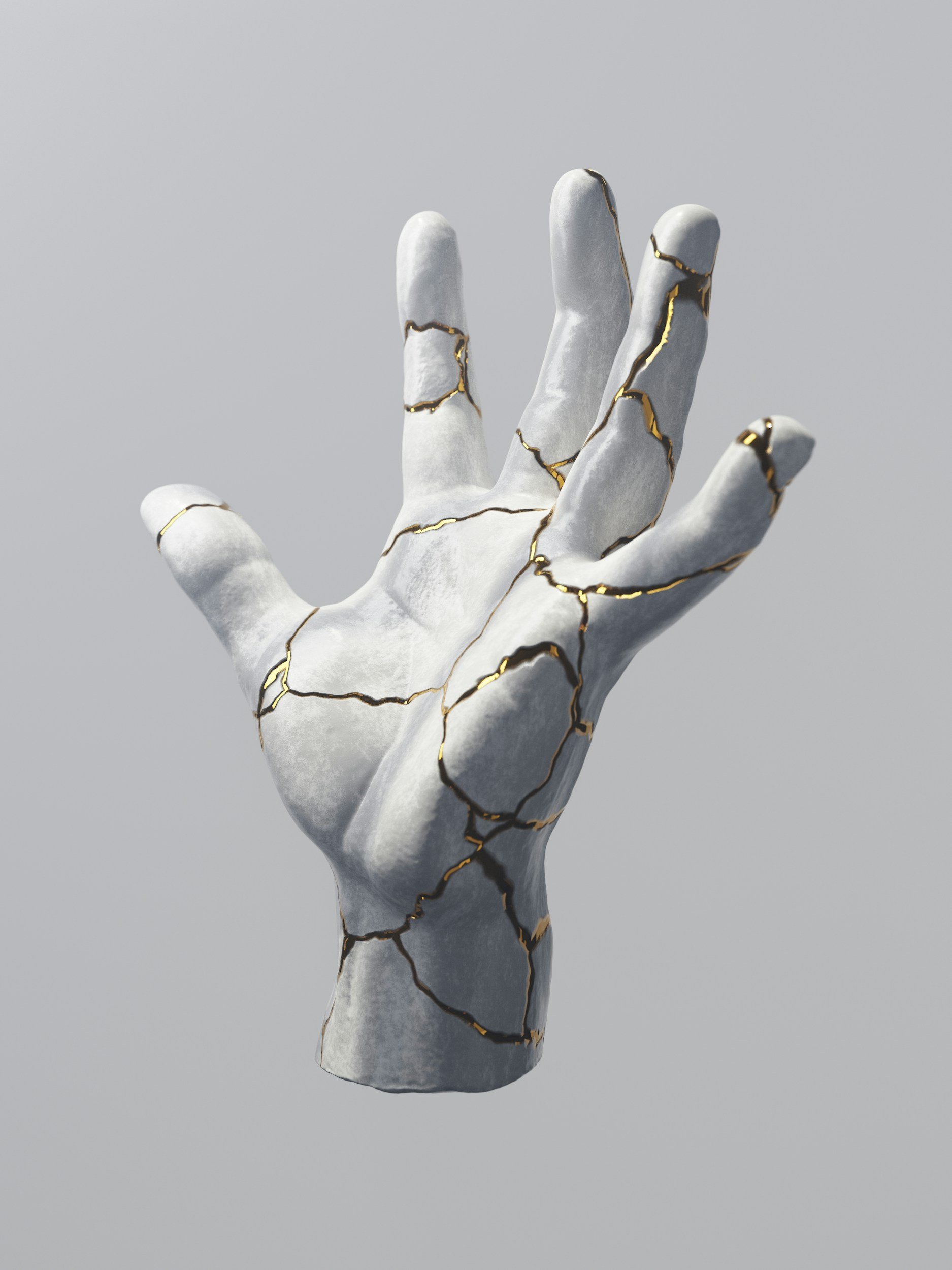
Trauma, PTSD & Complex PTSD
Feeling on-edge, distinctly “outside” yourself at times, or struggling with sleep and nightmares? Trauma occurs in the body whenever a few conditions are met: the presence of a threat to our mind, body, or spirit; the notion that we are “alone” in this fight, and we have to save ourself; and the events that follow are inevitable. That being said, trauma is also subjective — from how we identify trauma in ourselves, and how we respond, to how we understand these experiences shaping our lives.
In trauma-focused therapy sessions, I use evidence-based methods to gently and bravely approach the painful memories, confusing body sensations, and tangled messages that come with trauma. I invite clients to establish the rhythm of our sessions as we start to explore and lovingly understand the ways trauma has lived in your nervous system, behavior, and sense of self through a combination of therapies ranging from body-based (somatic, behavioral), holistic, (intuitive, humanistic), and talking-based (cognitive).

Ketamine-Assisted Psychotherapy (KAP)
Ketamine-Assisted Psychotherapy (KAP) is the therapeutic combination of therapy and ketamine, a medicine thought to work in brain by decreasing inflammation, and rewiring our trauma response network. Sitting with or taking ketamine therapeutically has a similar effect to traveling abroad: we are surrounded by novelty, immersed in rich cultural and sensory experiences, and gently encouraged to embrace the trip in its entirety. This is why we call it a “journey” — when it ends and we return home, we are different, but in ways that are subtle, yet invaluable and deep.
For these reasons, I consider KAP “high-level” therapy, as it requires careful assessment, planning, and is fundamentally different from other medication-supported treatments. Ketamine when used in therapy settings is meant to jump-start the healing process by gently “greasing the wheels of change” in the brain, so we can more easily move out of stuckness, depression, trauma, addiction, anxiety patterns, and grief. Think of it as the “pause” many of us need — life continues, but we finally have the ability to step outside of ourselves, deeply reflect, and return to life with fresh insights and perspective.
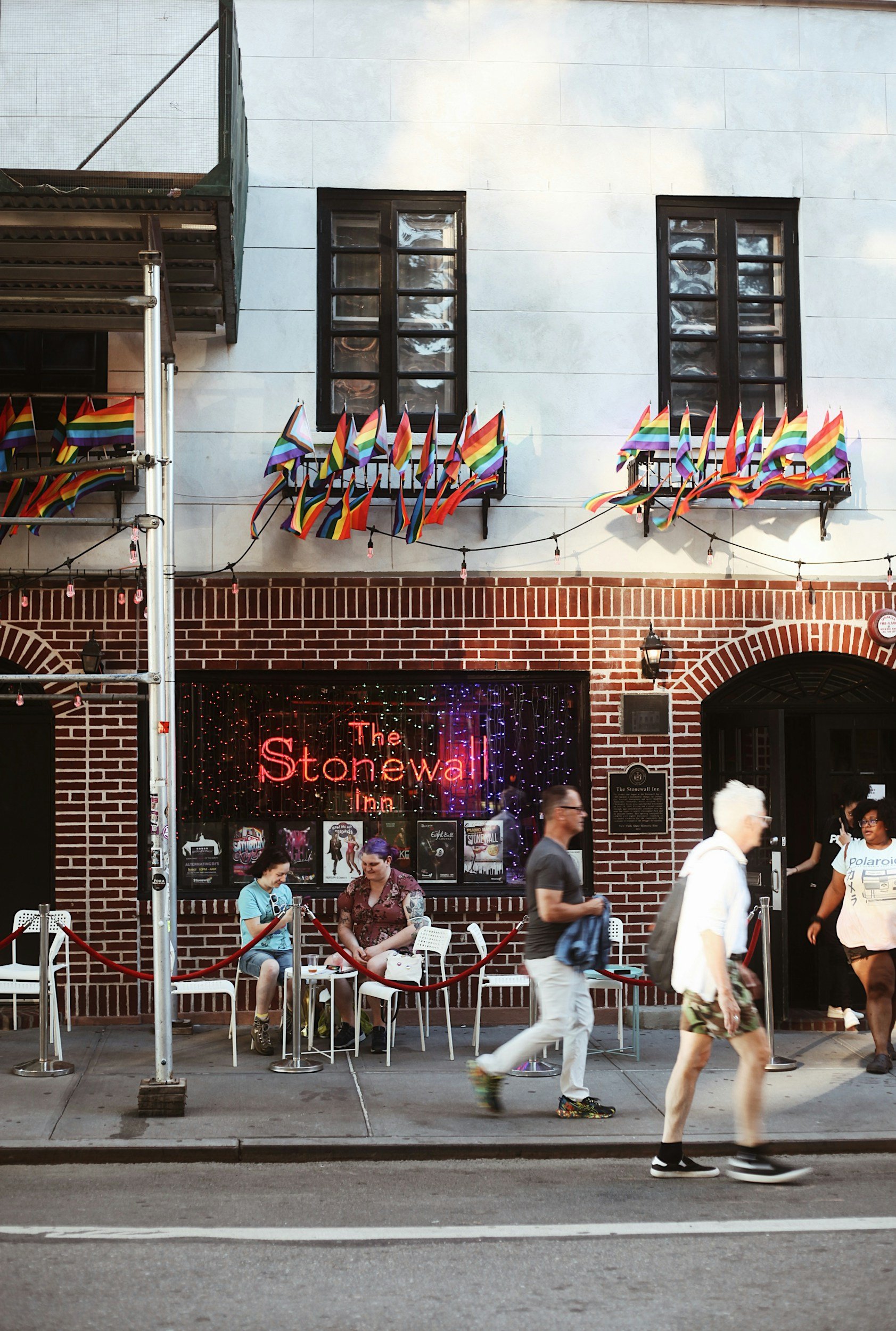
2SLGBTQIA+, Gender & Queerness
Life doesn’t come with a handbook, right? Neither does gender or queerness — and maybe that’s okay, because that means we get to be the authors of our own history, norms, and culture. The lived experience of a human who identifies as queer, gender-fluid or nonbinary, transgender, or part of the 2SLGBTQIA+ Community in modern times is far from easy. Throughout our existence, societal ignorance has proven to be our greatest enemy, and often, being our authentic selves makes us more vulnerable to microaggressions, discrimination, trauma, exclusion, violence, internalized homophobia, illness, and serious mental health conditions.
As a queer-identifying therapist and social worker, I’ve experienced and closely studied the trickle-down effect that traditional norms, civil and world events, politics and legislation, representation, and systemic discrimination has on queer individuals, families, and communities. I don’t just consider queerness or gender expression a lens in therapy, I consider them the landscape. I’m here for it all: questioning and just beginning to understand your gender or queerness; mid-transition and seeking gender-affirming care; pondering the intersection of gender, spirituality, and neurology; unpacking harmful narratives around gender norms, bodies, and trauma. We got this — every moment we invest in ourselves is revolutionary.

Neurodivergence: ADHD, Autism, AuDHD, Adult & late diagnosis
Calling all neurospicies and spoonies! “Neurodivergence” is a non-clinical term that has been gaining popularity of use to refer to humans who live with a neurological-developmental condition that is not considered part of the “norm” of society or “neurotypical,” that originates from birth and impacts skills that develop during childhood. Folks who fall into this category can be autistic or have autism, attention-deficit and hyperactivity disorder (ADHD), or a combination of both often called “AuDHD,” and/or learning disabilities (i.e. dyslexia or dysgraphia).
My biggest tools in sessions with my neurodivergent clients are autonomy, compassion, curiosity, advocacy, and creativity. As an AuDHD therapist, I can easily recognize signs of neurodivergence in others, understand what triggers a sensitive nervous system, and deeply value authenticity. Beyond that, I carefully hold the fact that neurodivegence often coincides with disabling conditions, ranging from addiction, depression and OCD, to chronic pain and autoimmune or multi-system disorders.

Shadow Work & Inner Child
“Shadow Work” and “Inner-Child” work are buzz words right now, but this work is ancient! With many of us modern humans doing our best day to day, (surviving “the horrors”) it can be difficult to find or inspire hope, creativity, and connection, even within ourselves. Beyond that, the rise of technological advancement has been encouraging many humans to turn to the organic wisdom of nature, creativity, art, music, and collective spirituality when looking for answers or healing.
Shadow and Inner-Child work are therapeutic approaches that beautifully align with this “getting back to our roots” theme, as the focus is on our subconscious self, the part that motivates our behaviors from behind the scenes for good or ill. Shadow Sessions with me often include meditation, guided visualization, art and music-based methods, movement and breathing, and emotional release. Most of all, I recognize that our Shadow Self and Inner Child may not be open to new people (me) or even known people (you or other adults), so I take special care to learn about this sensitive, sacred part of your being and establish trust before we engage in “the work.” We work to build a loving, kind relationship with this inner part of yourself, in an effort to gently question our patterns, habits and unhelpful beliefs. In this way, we return to ourselves to receive the “parenting” we needed then, need now, and can provide to ourselves in ways only we can provide.

Chronic Illness & Autoimmune Disorders
Are you tired? Hurting a bit, or a lot? Heard. Living with chronic illness, autoimmune disorders, or health conditions that impact multiple body systems is often financially taxing, isolating, disabling and overall exhausting. Between spending our valuable time, energy and resources seeking out care providers, doctors, and supportive services, we’re often handling unseen obstacles few may understand.
I support clients in their navigation of the healthcare system using my background in social work, disability advocacy, and lived-experience of chronic illness and pain. How does this look in session? We might document symptoms you’re experiencing so you more easily remember for your next medical appointment. If you’re stuck between providers, we’ll do some resourcing to find a specialist who feels accessible and safe to perform assessment and treatment. Sometimes, we just vent, breathe, and re-ground to reality with radical compassion.

Relationships, Dating, & Sexuality
He said, they said, she said — wait, what?? Relationships, dating, and sexuality are just like humans: naturally messy, sticky, unpredictable, often confounding and magical all at once. Within each of ourselves we hold memories, opinions, questions, ideas, instincts, and likely an ocean of thoughts. It’s safe to say we’ll make mistakes in communicating these to a partner, or partners!
I take pride in being a sex-positive therapist with clinical experience in supporting a variety of relationship dynamics, communication styles, and sexual identities, using trauma-informed and affirming language you define, from pronouns to inclusive terms. Whether we are meeting one-on-one for individual support or alongside your partner for couples therapy, we can address concerns and curiosities with sexual health and safety, sexuality and identity, kink and bdsm, polyamorous and/or ethical non-monogamy (ENM) — all while remaining nonjudgmental, evidence-based, and compassionate.